
 International gas pipelines
International gas pipelines
International pipeline construction company
The company “BAF Pipelineservice GmbH” was founded in the last quarter of 1999 to expand activities in the area of pipeline construction and to increase cooperation with foreign companies. BAF Pipelineservice GmbH is a German/Czech joint venture based in Germany.
We were involved in the construction of international gas pipelines in: Russia, Poland, Germany, Hungary, Greece, Turkey.
We have also worked on similar projects in: Egypt, Kazakhstan, Saudi Arabia, Sudan, Syria, Irak.
Großprojekt JAGAL: Logistische Meisterleistung vor der Haustür
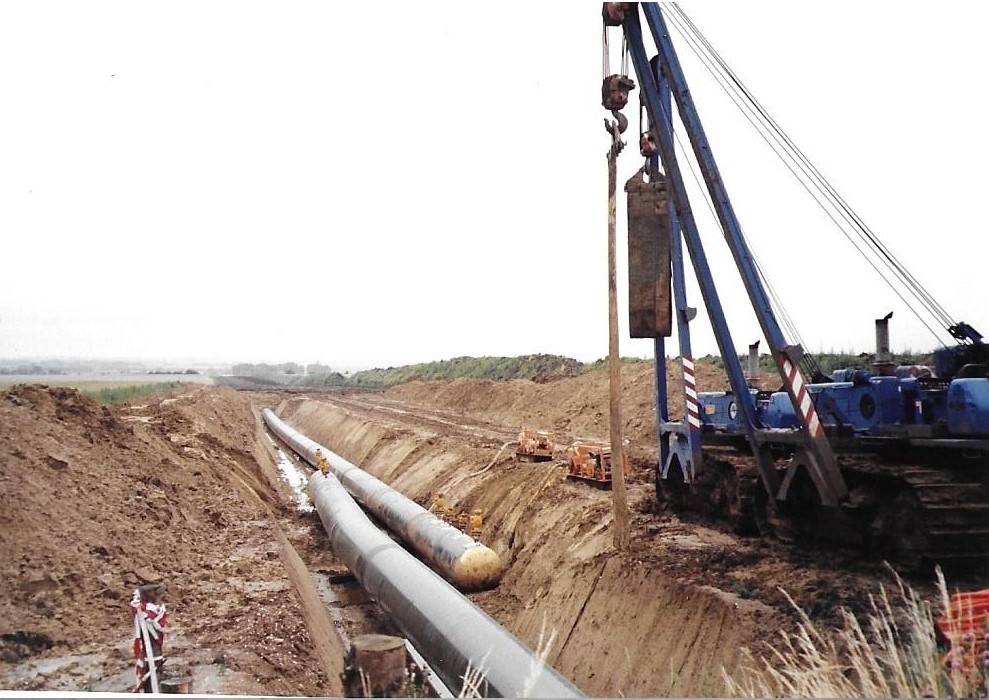
In den Jahren 1998 und 1999 bewies die BAF GmbH ihre Leistungsfähigkeit bei einem der bedeutendsten Energieprojekte Deutschlands: dem Bau der Erdgasleitung JAGAL (Verbundleitung Jamal-Gas-Anbindungsleitung), die von der Ostsee bis nach Thüringen führt.
Präzision am Graben: Die Flotte der Riesen
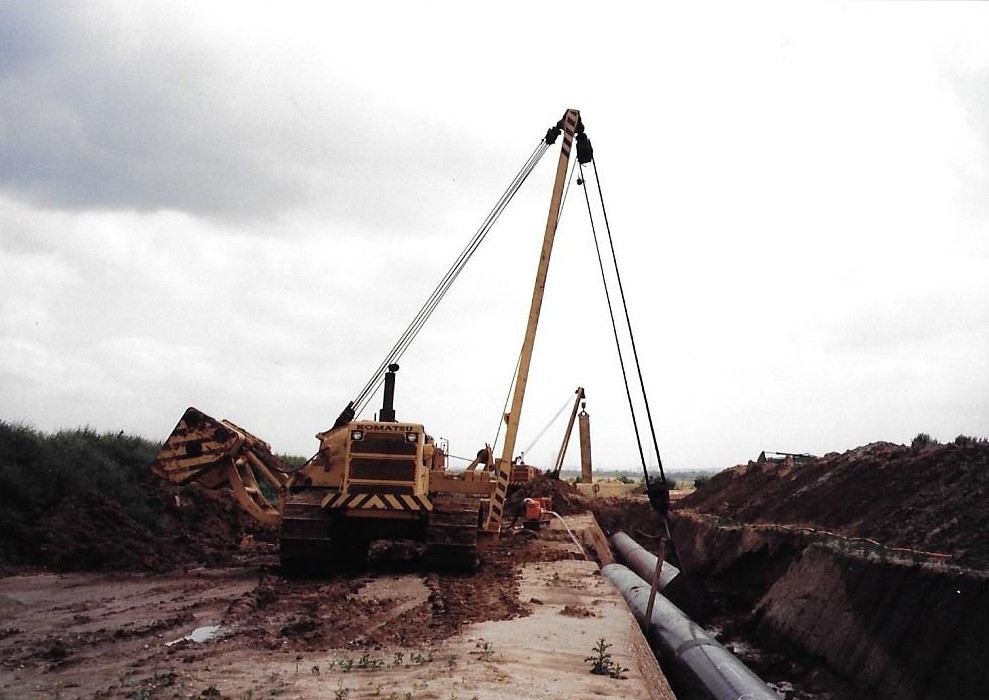
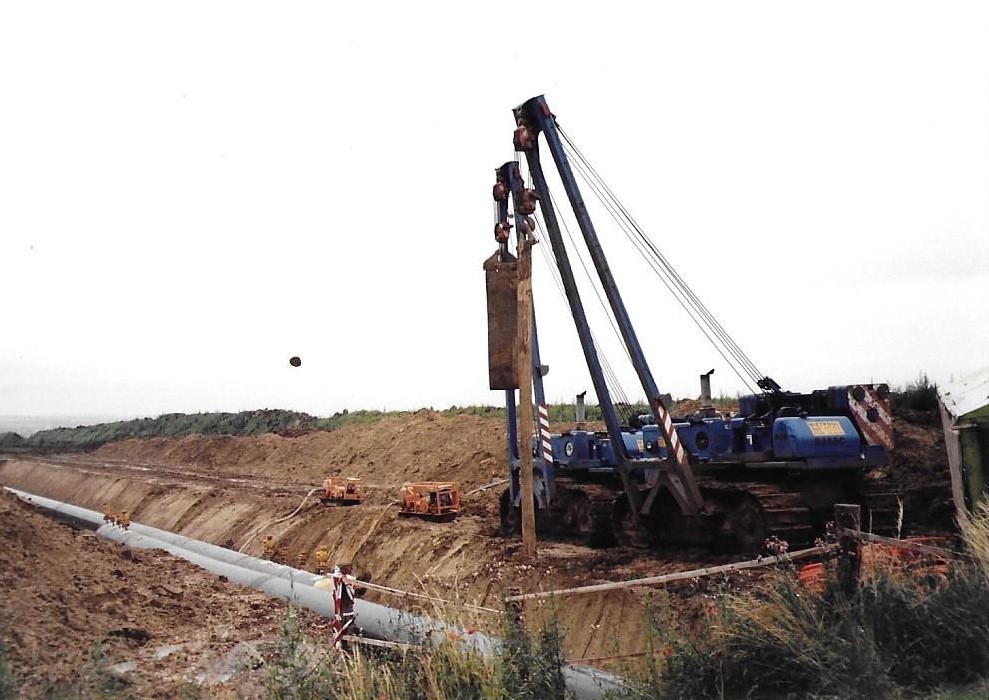
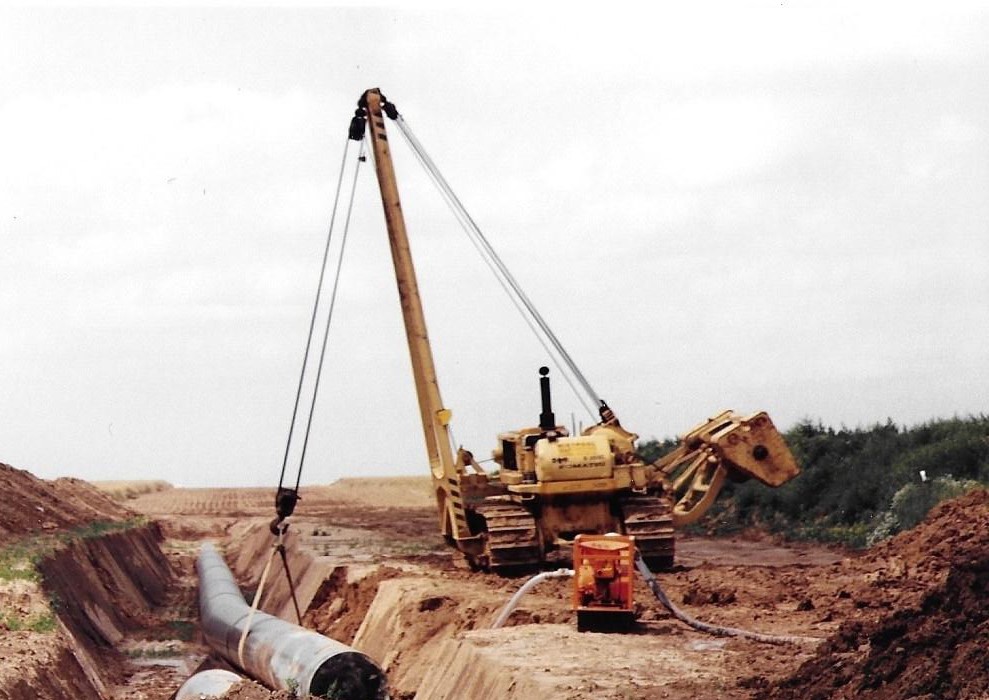
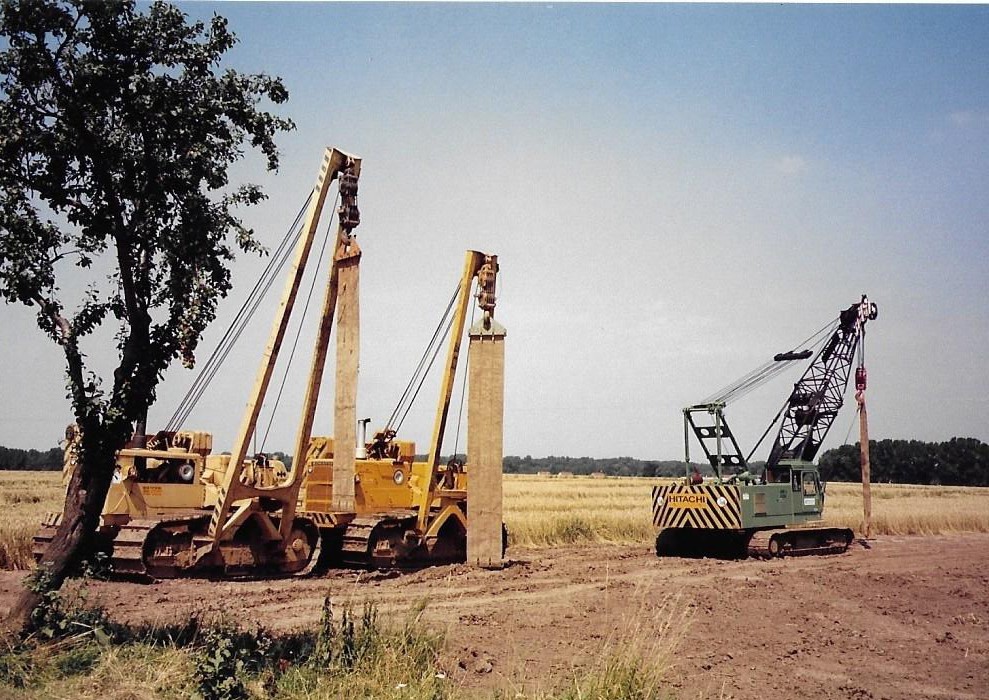
Ab dem Abschnitt Dessau übernahm die BAF GmbH eine Schlüsselrolle. Wir stellten eine beeindruckende Flotte von fast 20 Komatsu D355 Planierraupen bereit. Diese bis zu 90 Tonnen schweren Giganten waren mit speziellen Kranarmen ausgestattet, um die verschweißten Rohrleitungen präzise in das Erdreich zu heben.
Ein logistisches Puzzle über Staatsgrenzen hinweg
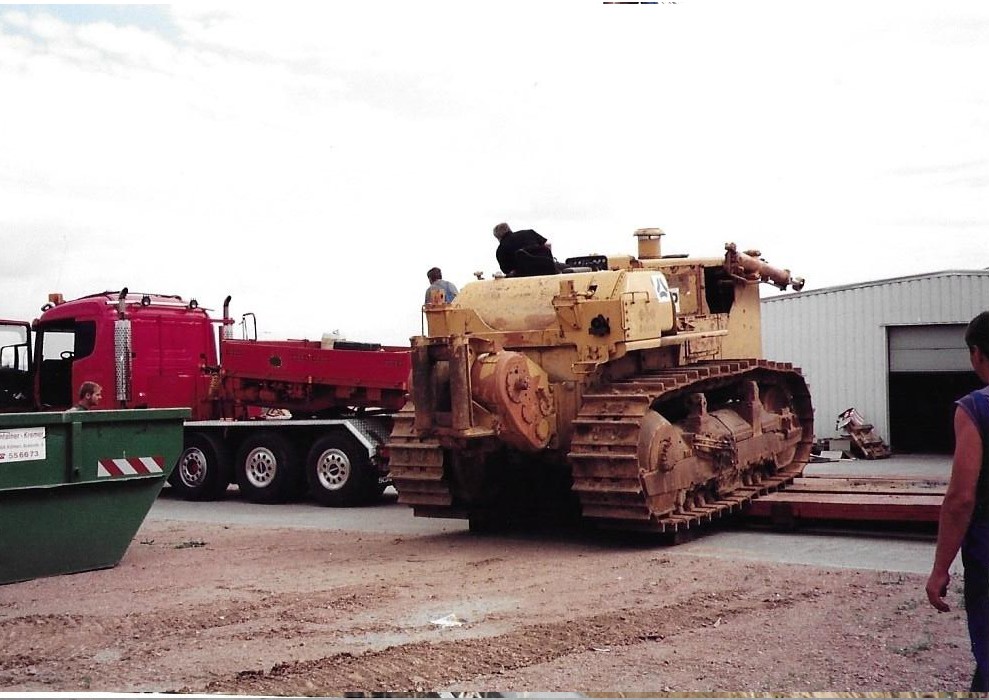
Hinter dem Einsatz stand eine enorme planerische Leistung. Da die Maschinen aus der Slowakei, Polen und Tschechien zusammengezogen wurden – zu einer Zeit, als diese Länder noch nicht der EU angehörten –, bewältigte die BAF GmbH komplexe Zollverfahren für die temporäre Einfuhr der Mietgeräte.
Die Bereitstellung erfolgte koordiniert an zwei Hauptstandorten:
- Dessau: Versorgung des nördlichen Abschnitts.
- Lützen: Strategischer Punkt für den südlichen Bauverlauf.
Ein „Heimspiel“ mit lokaler Verankerung
Das operative Lagezentrum der ausführenden Baufirma befand sich in Groitzsch, südlich von Leipzig. Für die Geschäftsführung der BAF war dies ein echtes Heimspiel: Als gebürtige Pegauer kannten der Geschäftsführer und sein ältester Sohn die Region und die Menschen vor Ort genau.
Diese lokalen Kontakte erwiesen sich nach Abschluss der Bauarbeiten als unschätzbarer Vorteil:
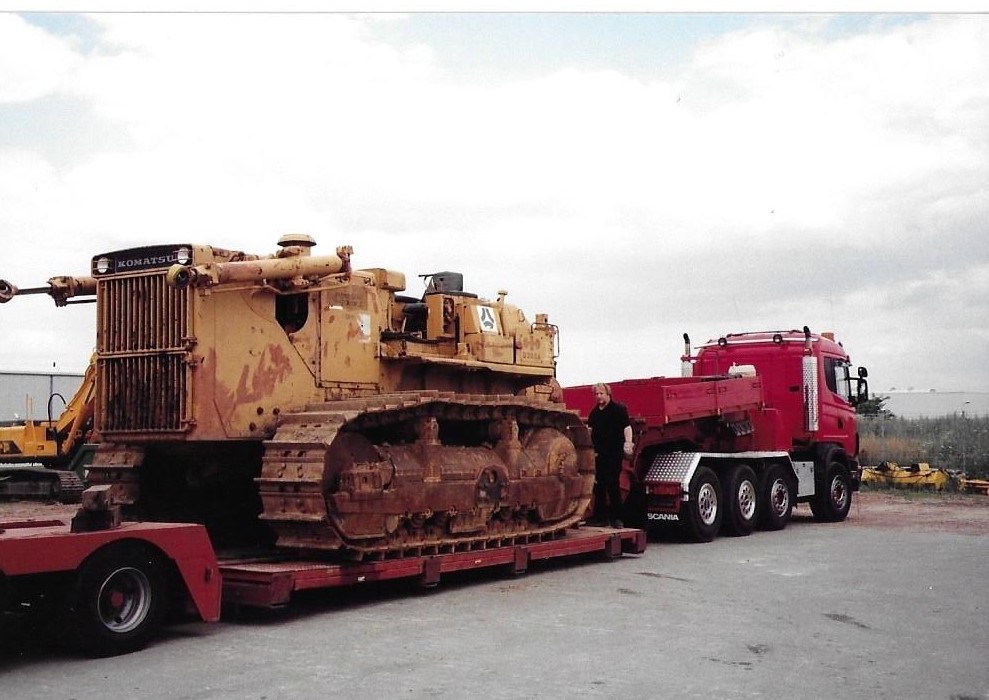
Effizienz durch Kooperation: Während die Maschinen aus dem Raum Dessau zurück in die Zentrale nach Köthen verbracht wurden, verblieb ein Teil der bis zu 90 Tonnen schweren Raupen in Groitzsch.
Sicherer Hafen in Auligk: Durch die enge Verbindung zur Agrargenossenschaft Auligk konnte die BAF einen sicheren Standort für diese Kolosse bereitstellen. So wurden enorme Transportkosten eingespart, während die Maschinen auf ihren nächsten Einsatz warteten.
Schlüsselwörter: Erdgas Pipeline, Dozer, Komatsu D 355, Dessau, Lützen, Pegau, Groitzsch, Auligk, Köthen
English Version: The JAGAL Project – A Masterclass in Heavy Logistics
In 1998 and 1999, BAF GmbH played a pivotal role in one of Germany's most significant energy infrastructure projects: the construction of the JAGAL pipeline, connecting the Baltic Sea to Thuringia.
Power on the Line: The D355 Fleet
Starting from the Dessau section, BAF GmbH provided a massive fleet of nearly 20 Komatsu D355 dozers. These 90-ton giants, equipped with specialized side-boom cranes, were essential for lowering the welded pipelines into the trenches with surgical precision.
Navigating Borders and Bureaucracy
The project required months of complex logistics. Since the machinery was sourced from Slovakia, Poland, and the Czech Republic—long before these nations joined the EU—BAF GmbH successfully managed intricate customs procedures for the temporary import of rental equipment.
The fleet was deployed through two strategic hubs:
- Dessau: Serving the northern construction phase.
- Lützen: Supporting the southern progression.
Local Roots, International Impact
The project’s command center was located in Groitzsch, south of Leipzig. For the BAF management, this was a "home game." Hailing from the neighboring town of Pegau, the CEO and his eldest son utilized their deep local knowledge to ensure the project's success.
This local network proved vital even after the pipeline was laid:
Smart Storage: To avoid the immense costs of transporting 90-ton machinery, BAF secured a strategic storage location through a partnership with the Agricultural Cooperative in Auligk. This allowed the heavy equipment to be safely stationed in Groitzsch until their next deployment.
Services - Machine service in the workshop and on site (see BAF GmbH) - Rental pool for pipeline technology - Personnel - Welding and laying of pipes, subcontractors - General contractor for pipeline projects
BAF Baumaschinen Ausrüster Fischer GmbH was founded in 1990. Located in Köthen, Anhalt, BAF GmbH is in the immediate vicinity of the cities of Halle, Leipzig, Dessau, Magdeburg and Bernburg. The range of services includes all services relating to construction machinery and construction equipment. This means that BAF GmbH is your competent partner for construction machinery in terms of service, sales and rental. BAF GmbH was one of the first companies in the Köthen district to emerge after the fall of the Wall.
The employees, including their managing director, worked in what was then the “Central Bulldozer Workshop” (ZPW) until BAF was founded. This mainly serviced and repaired construction machinery from the Japanese manufacturer KOMATSU. As a result, the company was able to draw on over 20 years of experience in the service sector (repair and maintenance) and in warehousing (spare parts procurement and refurbishment of replacement assemblies) in the year it was founded.
In the initial phase, all business operations took place in a small two-room office. A double garage served as storage. The supply of spare parts only worked by traveling long distances every week to make purchases from suppliers. At that time, night express courier services and freight forwarding companies did not yet have the dense supply network in the new federal states that we know today. Over time, the tasks grew and made greater demands. The company expanded its workforce and the spare parts warehouse was greatly expanded in order to quickly cover the growing need for spare parts and assemblies.
This growth made the construction of our own company building unavoidable. In the summer of 1992, the new BAF location was ceremoniously inaugurated as the first new commercial building in the district. Modern offices and workshops, storage rooms and generous open spaces created the conditions for the future. Modern communication in the office and advanced technologies in the workshop to process our orders speak for our motto "Always up to date".
The service - this is how you are measured as a service provider. We face this fact. Modern workshops and service vehicles with a high technical standard and highly qualified and constantly trained specialists enable quality and flexibility in the service area.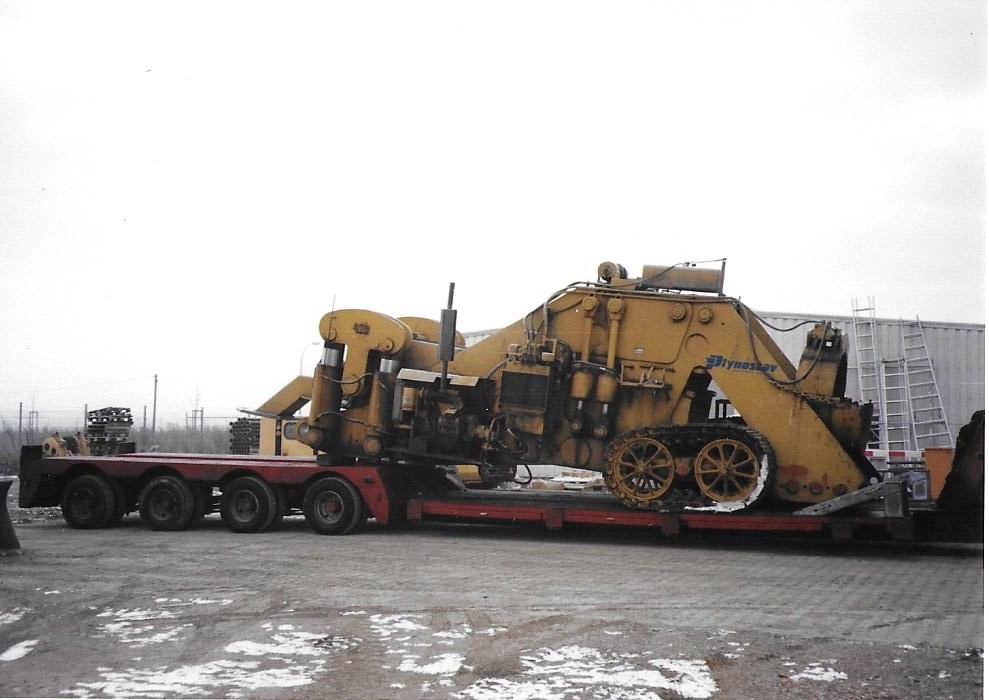
In the year BAF was founded, the main area of responsibility was the delivery of spare and wear parts, the refurbishment of assemblies and on-site service for KOMATSU construction machines. In order to ensure that our major customers have a ready-to-use machine park, over 100 general repairs were carried out on construction machines with purchase values of 0.5-1.5 million DM per device and repair values of between 40 and 150 thousand DM per machine. These repairs were also carried out in the Urals (40 general repairs) and in North Africa. The delivery of spare parts and assemblies to these regions and the service are part of the daily business of BAF and our Czech subsidiary KCH.
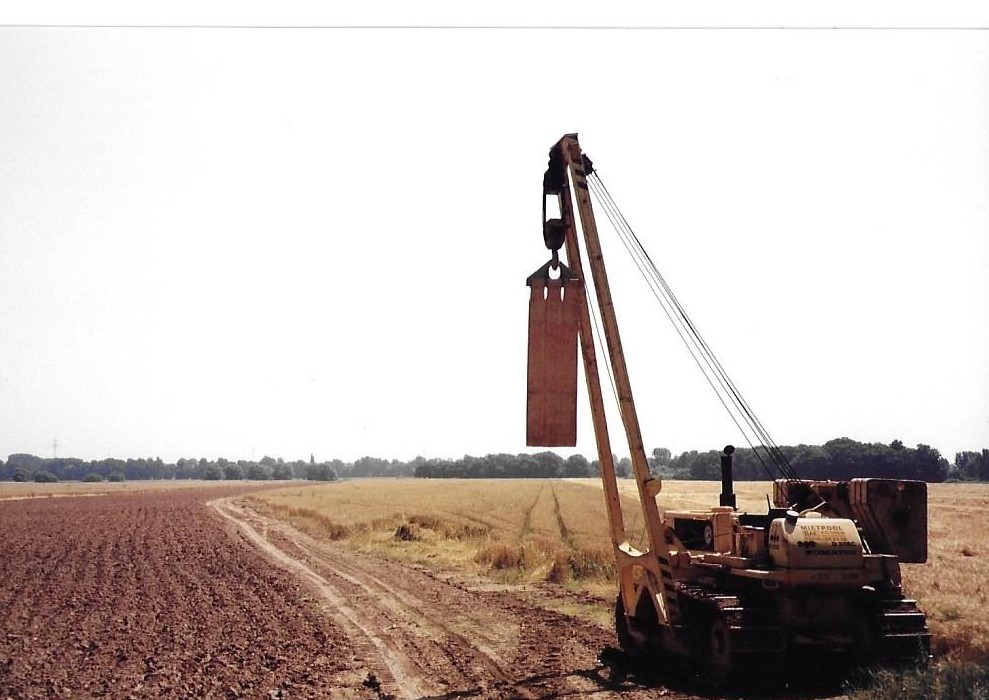
Credentials: We demonstrate the experiences and potential of BAF Pipelineservice GmbH through the references of BAF GmbH and Plynostav A.S. represent. We are convinced that the references of both companies are meaningful arguments. Decades of experience in the areas of pipeline construction, machine service and management make us an interesting partner for realizing your projects.
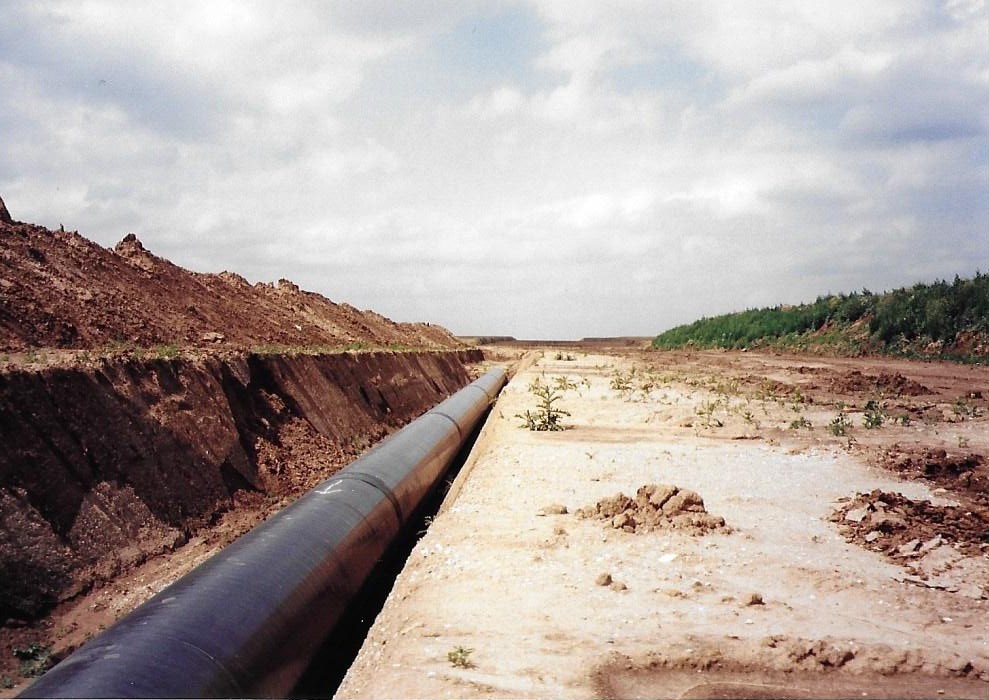
After the new building in 1992, BAF's range of services expanded to include many areas. We are your partner for spare parts and wearing parts. No matter whether for drilling machines or for pipe layers. With us you get everything. Frequently used parts are stock items. Otherwise, most orders reach us the next day.
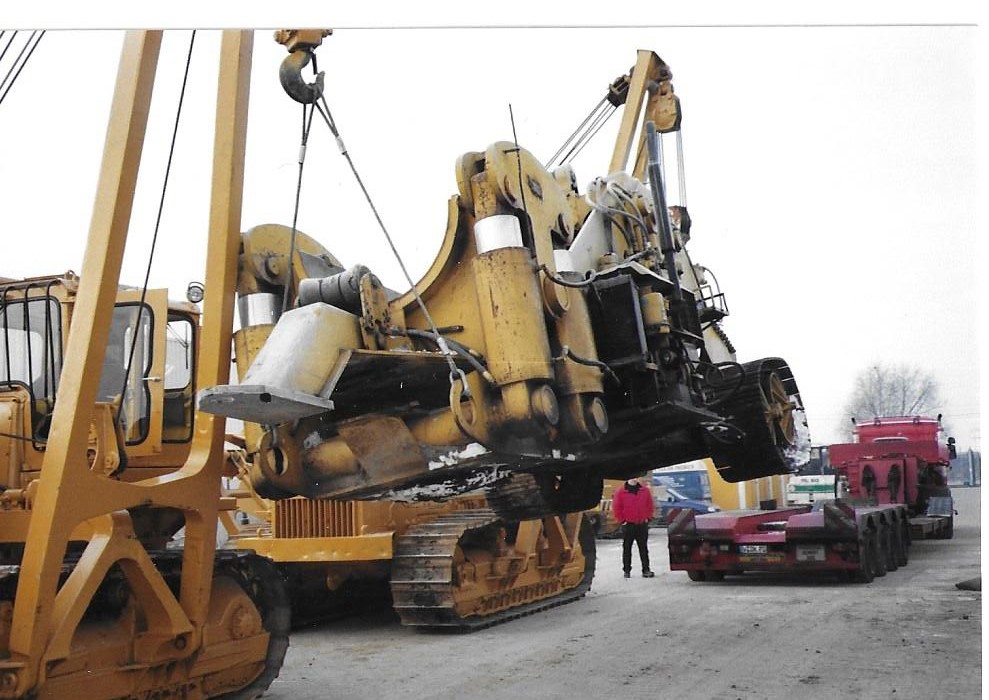
In addition to spare parts and wear parts for pipeline technology, we also supply you with complete assemblies. Of course, we also repair your assemblies in our workshop or at your location. We not only supply spare parts for the products and brands listed in the sales program, but also for all common construction machines and professional construction equipment. Everything you order from us is available at fair prices. If you wish, we will send you your order.
“There are many different types of excavators used for different tasks. The most common types of excavators include: Hydraulic Excavators: These are the most commonly used types of excavators. They are powered by hydraulic fluid to move the arm and bucket. Hydraulic excavators come in a variety of sizes, from small mini excavators to large demolition excavators. Rope Excavators: These excavators use ropes and pulleys to move the arm and bucket. Rope excavators are more powerful than hydraulic excavators, but also slower and less maneuverable.
The construction of natural gas pipelines:
Planning phase: Approval: Before construction can begin, approvals must be obtained from various authorities.
Route planning: The route of the pipeline is determined taking environmental aspects, topography and development into account.
Surveying: The exact location of the route is surveyed. Construction phase: Clearing: Trees and bushes along the route are cleared.
Trenching : A trench is dug into which the pipes are laid. Pipe laying: The pipes are laid in the trench and welded together.
Sealing: The trench is refilled and the surface is recultivated. Installation:
Pressure test: The pipeline is filled with water or gas and checked for leaks. Commissioning: The pipeline is put into operation and natural gas is transported.
Further points:
Depth: The depth of the trench varies depending on soil conditions and topography. As a rule, it is between 1 and 2 meters. Pipe Diameter: The diameter of the pipes varies depending on the transport high pressure and volume. Diameters between 20 and 120 centimeters are common. Material: The pipes are usually made of steel or plastic.
Safety precautions: Natural gas pipelines are equipped with numerous safety precautions to prevent leaks and explosions. Note: The construction of natural gas pipelines is a complex and lengthy process that can take several years.
Special construction machines for natural gas pipeline construction:
The construction of natural gas pipelines requires a variety of specialized construction machines that are tailored to the different tasks in the construction process.
Main phases of construction and exemplary construction machines: 1. Prepare the route: Clearing work: Forestry mulcher: For removing trees and shrubs. Excavator with felling grab: For felling trees and removing logs. Leveling and compacting: Bulldozers: To level the terrain and create the route. Grader: For fine grading and creating the slope. Compactors: Used to compact the soil and achieve bearing capacity. 2. Trenching: Trencher: Deep excavator: For deeper trenches (e.g. at intersections). Shaft crawler excavator: For longer and shallower trenches. Mobile excavator: Can be used flexibly on different construction site sections. Horizontal directional drilling rigs: Trenchless laying of pipes under obstacles (e.g. roads). 3. Lay pipes: Pipe laying cranes: Lifting and laying the pipes into the trench. Welding Machines: Connecting the pipes together. Testing equipment: Ensuring the tightness of pipe connections. 4. Backfilling and recultivation: Bulldozing: Filling the trench with soil. Compactors: Compacting the backfilled soil. Seeders: Sod Restoration. Additional construction machines: Trucks and dump trucks: Transportation of construction materials and excavation. Compressors: Compressed air supply for various tools. Aggregates: Power supply for construction site lighting and tools. Construction site vehicles: Transportation of personnel and materials. The choice of construction machinery depends on various factors, such as: B. the length and depth of the route, the soil type, the environmental conditions and the budget.
Published on